Fire resistance in roofing is not about whether the material burns — it's about whether the roof system prevents fire spread, protects the structure below, and meets local building code. For importers and distributors, understanding fire ratings is a compliance issue: sell the wrong rating and the tiles may be rejected at inspection.
Different markets use different classification systems, but they measure similar things: ignitability, flame spread, and burning droplet behavior. Commonly referenced standards include: EN 13501-5 (European), ASTM E108 / UL 790 (US Class A/B/C), and GB 8624 (Chinese B1/B2/B3).
Synthetic resin roof tiles, when formulated with fire-retardant additives, can achieve B1 (difficult to ignite) or Class A ratings. Standard-grade PVC tiles without fire-retardant formulation typically fall into B2 or Class C territory. Fire rating is not inherent to the material category — it's a formulation choice.
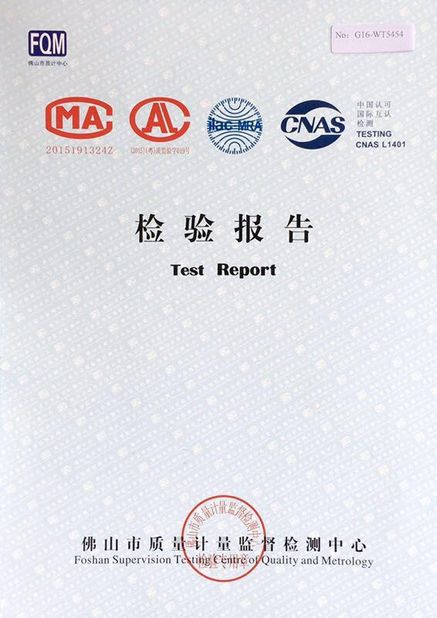
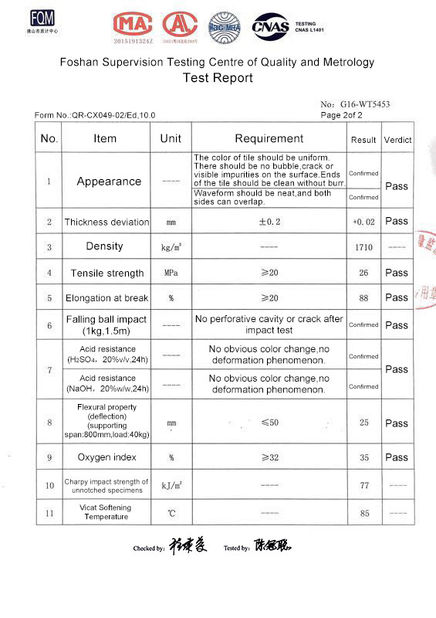
Fire-rated roofing is not just compliance — it's market access. Commercial buildings, schools, hospitals, and multi-unit residential projects require minimum fire ratings. When your product carries a recognized fire test report, it opens doors to project segments that commodity suppliers cannot access.
Yiquan Roof manufactures synthetic resin roof tiles designed for tough climates — combining anti-corrosion, heat insulation, sound proofing, fire resistance, UV protection, and lightweight rapid installation in one system. For bulk orders and OEM inquiries, we provide complete system supply with matched accessories and full export support.
Visit yiquanroof.com
コンタクトパーソン: Ms. Elaine Guo
電話番号: + 86 13702960105
ファックス: 86-757-82585161